

Look Expensive
Panda Dial Chronographs: The Best Affordable Options
 Daniel Reyes·4 min read
A tachymeter turns a stopwatch into a speedometer, and a black bezel around a panda dial is one of the most copied looks in watchmaking. Here is how to read one, and where to get the look for far less.
Prices checked October 9, 2026Compared across brandsHow we choose
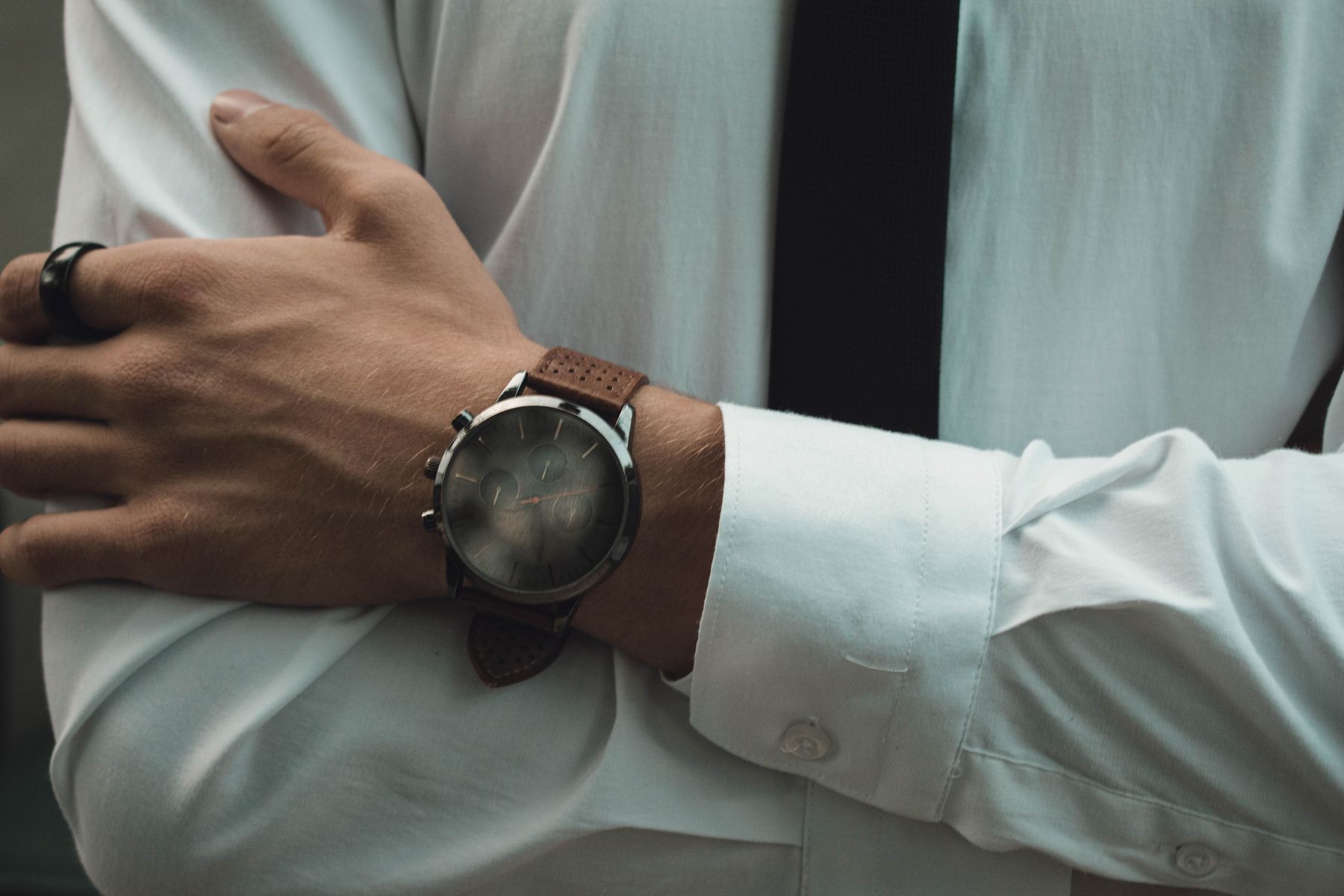
There is a number printed on the bezel of most racing chronographs that almost nobody uses and almost everybody likes: 60 at the far end of the scale, climbing past 100 toward 400 or 500 near the top. It is a tachymeter, and it exists because in the early 1960s a timed lap was worth knowing in miles per hour without stopping to do arithmetic. The scale moved from the dial edge to the bezel, the bezel turned black, the dial went white with black subdials, and the result became one of the most imitated designs in watchmaking. At the top of the market a steel racing chronograph of that kind now starts at about $16,500, and the best known references sell for much more on the secondary market.
The design is now everywhere, at every price, and it is one of the easiest luxury looks to buy well for under $150. What separates a good affordable racing chronograph from a poor one is proportion: the width of the bezel, the size of the subdials and how much empty dial is left between them. This guide explains the scale, then walks through the watches that get the proportions right.
WatchesUnder is owned by BlackRobin Capital Inc.
Watch Index · prices checked October 9, 2026
Every watch this guide mentions, ranked by Value Score or by what one watch costs today with each store's current offer counted.
A tachymeter is a fixed scale that converts elapsed seconds into a rate per hour. The maths is simple: divide 3,600, the number of seconds in an hour, by the seconds the event took. If a car covers a measured mile in 45 seconds, 3,600 divided by 45 is 80, and the bezel marks 80 next to the 45 second point on the dial. Start the chronograph at the first marker, stop it at the second and read the number where the seconds hand points. No calculator, no conversion.
The same logic works for anything you can count. A worker who assembles one unit in 30 seconds is producing 120 an hour, which is the number sitting next to 30 seconds on the scale. That is also the scale's limit: anything faster than about 7.2 seconds runs off the high end, which is why most bezels stop at 400 or 500, and anything slower than a minute gives a reading under 60, which the scale does not show at all.
Early chronographs printed the tachymeter around the edge of the dial, which crowded it. Moving the scale onto a separate ring around the crystal freed the dial, made the numbers larger and gave designers a new surface to play with. A black bezel with white numerals against a white dial gave the strongest contrast of all, and that combination is the one now recognized across a room.
The Lucky Fours Vantage is the most faithful take on the classic layout in this guide. A black tachymeter bezel frames a white dial with three black subdials, the hands are slim, and it sits on a steel bracelet. It costs $129.99 and comes in 8 colorways, from the panda dial shown at the top of this page to gold tone and a rich brown dial, so it can go from a straightforward steel tool look to something closer to evening wear.
WatchesUnder is owned by BlackRobin Capital Inc.
The Portfolio takes the same black bezel and white panda dial and puts it on a brown leather strap. That small change matters more than it sounds. Historically, racing chronographs were worn on perforated leather rally straps, and leather makes the watch feel warmer and slightly more vintage than the polished bracelet of the Vantage. At $89.99 it is the least expensive watch here and the one to choose if you mostly wear it with denim and a jacket.
For buyers who want gold, the Lucky Fours Prague at $89.99 reverses the formula: a gold tone case and integrated style bracelet with a black dial and white subdials. It is louder and less of a racing tool, but it captures the period when racing chronographs began appearing in gold with contrasting dials.
If you plan to use the chronograph and want the reassurance of a large brand's service network, two watches stand out. The Casio Edifice Chronograph at $165 is a 40mm steel chronograph with a blue dial and a full working stopwatch. It looks more modern and less vintage than the panda watches, but as a tool it is excellent value.
The Timex Marlin Chronograph Tachymeter 40mm at $249 is the more traditional choice, the first chronograph in Timex's Marlin line, with the tachymeter printed around the outer minute track rather than on a bezel, an unusual date window placement and a steel bracelet. It is the subtler watch: you get a real tachymeter scale without the black bezel that announces it.
| Watch | Price* | Tachymeter | Best for |
|---|---|---|---|
| The best known steel originals | from $16,500 | Black bezel | Collectors who want the history |
| Timex Marlin Chronograph Tachymeter 40mm | $249 | Printed on the dial edge | A quieter take from an old American name |
| Casio Edifice Chronograph | $165 | Modern sports layout | Timing things every day |
| Lucky Fours Vantage | $129.99 | Black bezel, panda dial | The classic racing look on a bracelet |
| Lucky Fours Prague | $89.99 | Gold tone, black dial | A dressier, louder version |
| Lucky Fours Portfolio | $89.99 | Black bezel, panda dial, leather | The vintage feel for the least money |
*as listed on each brand's US website, October 2026
WatchesUnder is owned by BlackRobin Capital Inc.
The choice changes the watch more than any dial detail. A steel bracelet makes a racing chronograph read as a modern luxury sports watch, comfortable under a suit cuff and easy to wear every day. Leather pulls it back toward the 1960s and suits casual clothes better, though it needs replacing every year or two with daily wear. Our guide to bracelet or strap goes into the trade offs. With buy one, get one free running across Lucky Fours, one way round it is to take the Vantage on steel and the Portfolio on leather for $129.99.
For the wider chronograph field, including pilot and dive styles, see the best affordable chronograph watches. If it is the dial you love more than the bezel, our panda dial guide compares every affordable option side by side, and the chronograph explainer covers what the pushers and subdials do.
WatchesUnder is owned by BlackRobin Capital Inc.
Start the chronograph as you pass one marker, stop it at the next marker a known distance away, usually a mile or a kilometre, and read the number on the bezel next to the seconds hand. That number is your average speed in units per hour. It only works for events that take between about 7.2 and 60 seconds.
A white or silver dial with black subdials, so the layout looks like a panda's face. The reverse, a black dial with white subdials, is called a reverse panda. Our guide to panda dial chronographs covers every affordable version.
Not for the look. If you plan to time things, check the product listing for what each subdial does and whether the pushers start and stop a seconds hand, since affordable watches vary.
Rarely, but it is not useless: timing a car between highway mile markers, a run between known points or a production line gives a speed reading without a calculator. Most owners wear it for the look, which is fine.
Daniel Reyes covers men's sports and everyday watches for WatchesUnder, mostly at the under $200 end of the market: what a watch costs, what it compares to, and whether the price holds up against the alternatives. Prices in his guides are checked against each brand's own website.
Look Expensive
Daniel Reyes·4 min read
Watch Styles
Daniel Reyes·7 min read
Watch 101
 Michael Chen·6 min read
Watch Styles
Michael Chen·6 min read
We use cookies and similar technology to see which guides are read. When you arrive from an ad, we also pass the ad's click identifier to the store you visit from our links. You can accept or reject this, and change your choice any time under Cookie settings. Privacy policy
